Author: Neil Pitts

Silent Transformations: The Unseen World of Rubbish Removal and Demolition

Change often starts with clearing away the old. That simple idea defines the world of rubbish removal and demolition, an industry that shapes the physical environment around us more than most people realize. It is not just about hauling away debris or tearing down structures. It is a strategic, planned, and essential process that makes way for renewal, development, and transformation on every level. Behind every modern building, clean neighborhood, or repurposed land, there is a hidden workforce dedicated to the art and science of removal.

Rubbish Removal

At its core, rubbish removal might appear straightforward, but it has evolved into a complex service that addresses diverse challenges. It is not limited to disposing of household waste or clearing construction leftovers. It involves managing materials with environmental considerations, regulatory compliance, and efficiency in mind. The journey of waste today is carefully planned, often separated, treated, or recycled before it ever reaches its final destination. This shift reflects a broader societal change toward sustainability and responsibility, where even the disposal process is expected to contribute to ecological balance.

Demolition, on the other hand, is often perceived as destruction, but its real purpose is renewal. It involves careful planning, precise execution, and adherence to safety and environmental standards. Modern demolition techniques no longer rely solely on brute force. They employ controlled methods, specialized machinery, and innovative technologies to ensure that the dismantling process is as safe, efficient, and eco-conscious as possible. This evolution demonstrates that even in the act of tearing down, there is a thoughtful strategy at work.

One of the most overlooked aspects of rubbish removal and demolition is their role in urban regeneration. Old factories, abandoned structures, and obsolete facilities often stand as barriers to progress. Removing them clears space for parks, housing developments, commercial hubs, or community spaces that revitalize entire areas. This process breathes new life into neighborhoods, stimulates local economies, and improves quality of life. Without the silent work of removal teams, many of these transformations would remain impossible.

Another vital component of this industry is its intersection with sustainability. In the past, demolition and rubbish removal were synonymous with wastefulness, as tons of debris ended up in landfills. Today, that mindset is rapidly changing. Companies now prioritize the salvage and reuse of materials, turning what was once considered waste into valuable resources. Metal, wood, concrete, and glass can often be repurposed, reducing the environmental footprint of projects and aligning with global sustainability goals. This circular approach is not just a trend; it is becoming a necessity.

The complexity of modern rubbish removal also extends to hazardous materials. As older structures are dismantled, dangerous substances like asbestos, lead, or chemical residues may be uncovered. Handling these materials requires strict protocols, specialized equipment, and trained professionals. Failure to manage them properly can lead to health risks, legal consequences, and environmental damage. This is why the industry is heavily regulated and continuously innovating to improve safety and efficiency.

In residential settings, rubbish removal plays a quieter but equally crucial role. Homeowners often underestimate the impact of clutter and waste accumulation on their living environment. Efficient removal not only restores space but also improves safety, hygiene, and mental well-being. In larger residential developments, coordinated removal ensures that construction or renovation projects proceed without delays, maintaining timelines and budgets.

The demolition sector also contributes to technological progress. Advances in robotics, remote-controlled machinery, and precision explosives have transformed how demolition projects are executed. These technologies enhance safety by reducing human exposure to hazardous environments while improving accuracy and speed. They also allow for selective demolition, where only specific parts of a structure are removed, preserving valuable components and minimizing waste.

Another often-ignored dimension of this industry is its economic significance. Rubbish removal and demolition support construction, real estate, infrastructure, and urban planning sectors. They create employment, stimulate demand for specialized equipment, and generate opportunities for recycling and materials recovery businesses. This ripple effect makes the industry a key player in local and global economies, even if its contributions often go unnoticed.

As urban areas grow and evolve, the demand for efficient removal and demolition services continues to rise. Population growth, technological innovation, and environmental policies are reshaping how cities are built and rebuilt. This evolution requires removal strategies that are not only effective but also adaptable. Professionals in the field are constantly upgrading their skills, adopting new tools, and embracing innovative practices to meet these changing demands.

Community impact is another significant but less visible result of effective rubbish removal and demolition. Removing derelict buildings can reduce crime, improve property values, and enhance public safety. Clearing vacant lots can pave the way for green spaces or community centers, strengthening social ties and improving mental health. In many ways, this industry is not just about physical change but also about creating conditions for social progress.

The future of rubbish removal and demolition is likely to be defined by integration with smart technologies and data analytics. Sensors, drones, and real-time monitoring systems are already being used to assess structures, plan demolitions, and track waste streams. These tools enable more accurate planning, minimize risks, and increase transparency. They also support sustainability efforts by providing insights into material flows and opportunities for recycling.

Moreover, public awareness and participation are becoming more important in shaping the industry’s direction. Communities are increasingly involved in decisions about demolition projects, land use, and waste management practices. This collaboration fosters trust, reduces conflicts, and ensures that projects align with public interests and values. It also encourages more responsible behavior regarding waste generation and disposal at the individual and organizational levels.

The economic and environmental stakes of this industry will only grow as global development accelerates. Emerging construction trends, such as modular building and adaptive reuse, will influence how demolition and removal services are structured. The emphasis will shift even more toward minimizing waste, recovering materials, and reducing carbon emissions. This will require not only technological innovation but also stronger collaboration between government bodies, private companies, and communities.

In addition, the concept of “deconstruction” is gaining traction as a more sustainable alternative to traditional demolition. Instead of destroying structures outright, deconstruction involves carefully dismantling them to salvage materials for reuse. While this process can be more labor-intensive and time-consuming, it significantly reduces waste and supports a circular economy. It represents a paradigm shift in how society views the end of a building’s life cycle.

The same applies to rubbish removal, where zero-waste strategies are becoming a standard goal. This involves designing waste systems that prioritize reduction, reuse, and recycling over disposal. Achieving this requires changes in production, consumption, and disposal habits, as well as innovation in waste processing technologies. The result is a more sustainable approach to waste management that benefits both the environment and the economy.

For businesses, efficient rubbish removal and demolition services are essential for staying competitive. Delays or inefficiencies can disrupt project timelines, increase costs, and damage reputations. On the other hand, effective services can streamline operations, improve safety, and enhance sustainability credentials. In an increasingly eco-conscious marketplace, these factors can be decisive in winning contracts and attracting clients.

Residential clients, too, are recognizing the value of professional removal services. Whether clearing out a home, renovating a property, or preparing a site for construction, efficient waste handling can save time, reduce stress, and prevent costly mistakes. The growing demand for these services reflects a broader cultural shift toward valuing cleanliness, order, and sustainability in daily life.

In the end, rubbish removal and demolition are far more than background tasks in the development process. They are transformative forces that shape the spaces where we live, work, and connect. They clear the way for innovation, preserve the environment, and create the conditions for new possibilities to emerge. Their impact is felt not only in the physical landscape but also in the economic, social, and ecological systems that sustain our lives.

As the world continues to change, these industries will remain vital to building a sustainable future. They will evolve with new technologies, adapt to shifting societal values, and embrace more responsible practices. Their role will expand beyond mere removal to include stewardship, regeneration, and innovation. And while their work often goes unseen, their influence is everywhere, in every building that rises where another once stood, in every space reclaimed from neglect, and in every clean, functional environment we take for granted.

In this unseen yet indispensable field, rubbish removal and demolition are not about endings. They are about beginnings, about the space they create for progress to unfold. They remind us that creation often starts with clearing the way and that even in the act of tearing down, there is a vision for what comes next. And in that vision lies the promise of a future built not just on what we construct, but on how wisely we choose to remove and renew.
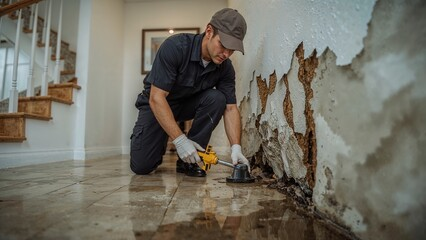

What Is Water Damage Restoration? Everything You Need to Know

Water Damage Restoration

It only takes a small leak or an unexpected flood to turn a comfortable home into a stressful situation. Water has a way of spreading quickly, soaking into floors, walls, furniture, and other materials before the damage is even visible. What may seem like a minor problem today can develop into much larger issues if it is not addressed promptly. That is why understanding water damage restoration is important for every homeowner who wants to protect their property and reduce the risk of long term damage.

Water Damage Restoration Utah is more than simply drying wet surfaces. It is a structured process that focuses on removing water, drying affected materials, cleaning the area, and restoring the property to its original condition whenever possible. Acting quickly can help limit damage, improve the chances of saving materials, and create a safer living environment. Learning how water damage restoration works allows homeowners to make informed decisions when unexpected water damage occurs.

What Is Water Damage Restoration?

Water damage restoration is the process of cleaning, drying, repairing, and restoring a property after it has been affected by unwanted water. The goal is to remove excess moisture, prevent further damage, and return the home or building to a safe and functional condition. The process often begins immediately after water intrusion is discovered because standing water and trapped moisture can quickly spread throughout the property. Fast action helps reduce damage to building materials and personal belongings. Proper restoration focuses on both visible water and hidden moisture that may remain inside walls, floors, and ceilings.

Unlike simple cleanup, water damage restoration involves several carefully planned steps that work together to restore the property. Drying the surface alone may leave moisture trapped beneath flooring or inside wall cavities. If moisture remains, it can weaken building materials and create additional problems over time. A complete restoration process addresses every affected area to help ensure the property is thoroughly dried and restored. This comprehensive approach supports both the appearance and structural integrity of the home.

Common Causes of Water Damage

Water damage can occur for many different reasons, and some situations happen with little warning. Plumbing leaks are one of the most common causes because damaged pipes, loose fittings, or worn connections can allow water to escape into walls, floors, and cabinets. Household appliances that use water, such as washing machines, dishwashers, and water heaters, may also develop leaks as they age. Even a slow leak can gradually cause significant damage if it goes unnoticed for an extended period. Regular inspections help identify potential issues before they become major problems.

Weather related events can also lead to water damage inside a home. Heavy rainfall, roof leaks, overflowing gutters, and poor drainage around the property can allow water to enter the structure. Blocked drains or overflowing sinks and bathtubs may also contribute to indoor flooding. Regardless of the source, any unwanted water should be addressed as soon as possible to reduce the amount of damage. Understanding the common causes allows homeowners to take preventive measures and respond more effectively when problems occur.

The Water Damage Restoration Process

The water damage restoration process usually begins with a thorough inspection of the affected areas. This evaluation helps determine the source of the water, the extent of the damage, and which materials have been impacted. Once the assessment is complete, standing water is removed using specialized equipment designed to extract water efficiently. Removing excess water as quickly as possible helps reduce further damage and prepares the property for the drying stage. Early action is one of the most important factors in successful restoration.

After water extraction, the drying process begins using professional drying equipment and air circulation methods to remove moisture from affected materials. Floors, walls, ceilings, and other surfaces are monitored carefully to ensure they reach appropriate moisture levels. Once the property has been thoroughly dried, cleaning and sanitizing help remove dirt, odors, and contaminants that may have entered with the water. The final stage involves repairing or restoring damaged materials so the property can return to its previous condition. Every step plays an important role in achieving a complete restoration.

Why Fast Response Is Important

Time is one of the most critical factors in water damage restoration. Water begins soaking into porous materials almost immediately, causing wood, drywall, insulation, and flooring to absorb moisture. The longer water remains, the greater the chance that these materials will weaken or require replacement. Prompt action can reduce the overall extent of the damage and improve the likelihood of restoring affected materials instead of replacing them. Responding quickly also helps shorten the overall restoration process.

Fast response also helps minimize secondary damage that can develop after the initial water intrusion. Moisture trapped inside walls or beneath flooring may continue spreading long after standing water has been removed. This hidden moisture can affect structural materials and reduce indoor comfort if left untreated. Early drying and restoration help prevent these issues from becoming more serious. Addressing water damage promptly provides the best opportunity for a successful recovery while protecting the property’s long term condition.

Preventing Future Water Damage

Although not every water damage incident can be avoided, regular maintenance greatly reduces the risk. Inspecting plumbing systems, checking appliances for leaks, and replacing worn hoses or fittings can help prevent unexpected water problems. Keeping gutters clean and ensuring proper drainage around the property also reduces the chance of water entering the home during heavy rainfall. Small maintenance tasks performed regularly often prevent much larger repairs later. Preventive care remains one of the best ways to protect a property.

Homeowners should also pay attention to early warning signs such as water stains, peeling paint, musty odors, or unexplained increases in water bills. These indicators may suggest hidden leaks that require immediate attention. Fixing minor issues before they become major problems can save both time and money. Routine inspections provide peace of mind while helping maintain the overall condition of the property. Staying proactive is an important part of preventing future water damage.

Benefits of Professional Water Damage Restoration

Professional water damage restoration provides advantages that go beyond basic cleanup. Specialized equipment can detect hidden moisture that may not be visible during a normal inspection. Thorough drying helps reduce the risk of additional damage while supporting the long term stability of building materials. Professional restoration also follows a structured process designed to restore the property as completely as possible. This careful approach improves the overall quality of the restoration.

Another important benefit is the ability to address both immediate and long term concerns. Water damage can affect multiple areas of a property at the same time, making a comprehensive restoration process essential. Proper cleaning, drying, and repairs help create a safer and more comfortable living environment. Investing in complete restoration also helps preserve the property’s appearance and value. A well executed restoration project provides lasting results that homeowners can rely on for years to come.

Final Thoughts

Water damage restoration is a comprehensive process that helps restore homes after unexpected water intrusion. By removing standing water, thoroughly drying affected materials, cleaning damaged areas, and completing necessary repairs, restoration helps return a property to a safe and functional condition. Acting quickly is one of the most important steps in limiting damage and improving restoration outcomes. Regular maintenance and early detection of leaks can also reduce the risk of future water related problems. Understanding how water damage restoration works allows homeowners to respond with confidence and protect their property when water damage occurs.

Cabinet Refinishing Timeline Compared to Replacement

Cabinet refinishing San Jose CA is significantly less expensive than full replacement, which involves carpentry, potential plumbing or electrical adjustments, and purchasing new materials. It also takes a fraction of the time, allowing you to get back to your daily routine sooner.

Understanding realistic timelines helps you plan effectively and live comfortably while kitchen updates take place. Here’s how long it typically takes to complete each project phase:

Convenience

Refinishing is a cost-effective, quicker option than replacement, and it allows you to preserve the character and beauty of your existing cabinets. Professional cabinet refinishing is meticulous, with each step including thorough cleaning and degreasing, sanding to smooth surfaces, applying stain or clear finish, sealing for protection, and re-installing your cabinet doors and drawer fronts.

Quality materials are key, and a good cabinet paint job should be designed to last. Avoid cheap, water-based paints that will deteriorate quickly and require more frequent repainting. Instead, choose a high-quality acrylic latex or enamel paint. These offer better longevity and durability than traditional melamine paints and are much less likely to chip, crack, or fade over time.

To make sure you get the best results, it’s important to work with a reputable cabinet refinishing company that offers transparent, itemized estimates. Compare several estimates side-by-side, paying close attention to the specific services included, material selection, and warranty offerings. A strong warranty is a sign of confidence and a commitment to customer satisfaction.

Refacing is a more expansive project than refinishing, involving the removal of all your cabinet doors and drawer fronts to expose the original wood and cabinet boxes. It is a great choice for those who want to change the overall layout of their kitchen or add new storage solutions, but it’s not the best solution for structural damage or severe cosmetic wear and tear.

A cabinet refacing project can take 3 to 7 business days, with the bulk of the work taking place off-site in our specialized facility. The timeline can be extended by unforeseen factors, such as delays in the delivery of materials or by the complexity of custom cabinetry.

It is critical to understand the impact of the refacing process on your daily life and plan accordingly. For example, the kitchen will be unusable for the duration of the project and you may need to find alternative food preparation spaces or cookware storage methods during this time. When working with a professional cabinet refinishing company, ask for a detailed project timeline to help you plan ahead and minimize disruption to your household routines.

Downtime

Cabinet refinishing involves a thorough cleaning and removal of existing finishes, as well as careful sanding to ensure the smoothest possible surface. This process takes time and requires your kitchen to be temporarily unavailable for use. This may require making alternate dining arrangements, using alternative storage methods, or relying on food delivery services for meals during the project duration. It’s important to plan accordingly and communicate your needs to your refinishing team so they can manage the project with minimal disruption.

Professionals have the skills and experience to minimize refinishing downtime by following the right steps and applying a high-quality finish that lasts. Rushing refinishing or skipping important preparation steps compromises results and leads to tacky, peeling surfaces that quickly lose their attractive appearance. A quality refinishing company will take the time to complete the process properly and will explain the details of their work.

When comparing estimates, look for detailed breakdowns of all included services, materials, timelines, and warranties to compare the full spectrum of project costs. This will help you make an informed decision that respects your budget and expectations for your home or commercial space.

The refinishing process can also reveal hidden damage that requires repair before finishing. These repairs can include structure problems, water damage, or old stains that aren’t visible from the top of cabinets. Refinishing professionals will address these issues before moving on to a new coat of paint, ensuring long-lasting durability.

A high-quality refinishing company will provide a durable finish that resists fading, chipping, scratching, and general wear. This is essential for a busy household or a commercial space that requires frequent cleaning and handling. A quality coating also prevents staining from water or food — and provides an excellent base for other custom modifications like adding a wood grain texture or changing the color tone.

Refinishing is a smart option for homeowners who want to update their kitchen’s aesthetic without the expense of a full renovation. Many older homes have solid wood cabinetry that is worth saving, and refinishing preserves their durability and beauty. Refinishing can also breathe new life into builder grade kitchens in newer development, and it’s an economical alternative to replacing doors and drawer fronts.

Eco-Friendly

Cabinet refinishing is more environmentally friendly than replacement because it reuses existing cabinet structures rather than generating new materials. Refinishing also utilizes less energy and raw materials during manufacturing and transportation, significantly reducing the carbon footprint. Additionally, eco-friendly options like reclaimed wood and low-VOC finishes reduce harmful emissions in the home and support healthy indoor air quality.

The refinishing process requires strategic steps to ensure a flawless finish and lasting durability. Professional teams start by thoroughly cleaning cabinet surfaces, removing grease and dirt, and sanding the wood for smoothness. The sanding process creates an even, level surface that allows for perfectly applied new paint or stain. The team may then apply primer and coats of paint, taking care to cover every surface, even small crevices or cracks in the wood. Once the final coat is applied, the cabinetry is left to dry for a few days before being touched again.

When shopping for a cabinet refinishing company, choose an option with a solid local reputation and extensive experience. Look for online ratings, customer testimonials, and portfolio examples of previous work. The best refinishing companies will be transparent about their refinishing methods and can explain the specific techniques they use to deliver beautiful, long-lasting results.

Refinishing involves a minimal amount of disruption to your home’s daily functions, but it’s important to prepare properly before the project begins. Remove items from your cabinets and keep track of any hardware you’ll need for reassembly. It’s also helpful to have a designated space where your refinishing team can work, keeping them away from other rooms in the house.

A comprehensive refinishing project can take 5-10 days depending on the extent of customization and materials needed. During this time, your kitchen will be temporarily out of commission and you’ll need to find other ways to cook or store food. A skilled refinishing team will offer strategies to minimize inconvenience, such as working in stages or creating temporary kitchen setups to maintain functionality while work is underway. When choosing a company, ask for a detailed timeline that outlines daily working hours and expected completion date to avoid surprises or disappointments.

Project Planning

A cabinet replacement project involves a significant amount of work that can require weeks or months to complete. This type of project requires old cabinets to be emptied, demolished, and hauled away, which takes up valuable time and space. It also increases the cost of a renovation because removing and installing new cabinets is more labor-intensive than simply refinishing existing cabinets. Additionally, cabinet replacement can introduce floor, wall, and trim mismatch issues that are often more costly to fix than refinishing or refacing would be.

Ultimately, cabinet refinishing is a more convenient and affordable option for cosmetic kitchen updates and functional improvements. However, it’s important to know how long this type of kitchen remodeling project will take and how it will impact your household routines before you decide on a professional service. Ask your potential cabinet refinishing company for detailed process explanations and portfolio examples of past projects to determine their level of expertise.

Before any refinishing can begin, the cabinet surfaces must be thoroughly cleaned. This ensures that all grease, dirt, and existing finishes are removed before the surface is sanded and prepared for painting. This step can also reveal hidden problems like structural damage or water damage that will need to be addressed before refinishing. A professional team will be experienced in identifying and addressing any issues that may arise during the refinishing process to minimize disruption and ensure a smooth, durable finish.

The quality of materials used in a refinishing project is another factor that impacts the overall timeline. Cheap paints and primers tend to deteriorate faster, requiring more frequent repainting than high-quality options. Choosing a quality refinishing company with extensive experience using premium products and techniques will ensure that your cabinet finishes last for years to come.

The final factor to consider is the practical implications of a cabinet refinishing project. Because the kitchen will be partially inaccessible during most of the refinishing process, it’s important to plan ahead for this interruption by creating alternative meal preparation spaces and arranging for food delivery services during the duration of the project. Also, be sure to ask potential refinishing companies for specific timelines and detailed descriptions of each phase of the project to help you set realistic expectations.

Navigation