Every office building, retail center, warehouse, healthcare facility, and educational campus begins with a carefully planned construction project. While these buildings may appear very different from one another, they all require the coordination of countless moving parts before they can serve the people who use them every day. Commercial construction is far more than assembling materials on a job site. It is a structured process that integrates planning, engineering, project management, skilled craftsmanship, and quality control to create safe, functional spaces for businesses and organizations. Understanding how commercial construction works helps property owners, developers, and business leaders make informed decisions throughout every stage of a building project. Visit https://www.gkconstructionsolutions.com/ to learn more.
What Is Commercial Construction?
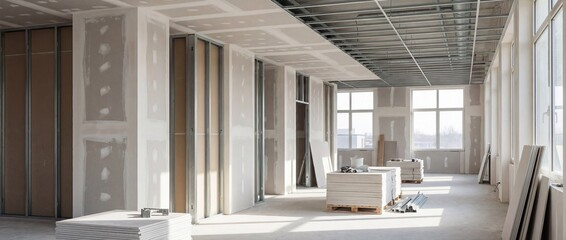
Commercial construction refers to the planning, construction, renovation, or expansion of buildings intended for business, institutional, or public use rather than private residential living. These projects include office buildings, restaurants, retail stores, hotels, manufacturing facilities, warehouses, medical buildings, educational facilities, and many other types of commercial properties. Unlike residential construction, commercial projects often involve larger structures, more complex building systems, and stricter regulatory requirements. Every project must balance functionality, durability, safety, and long-term operational efficiency.
Commercial construction typically involves collaboration between architects, engineers, project managers, contractors, subcontractors, suppliers, and property owners. Each professional contributes specialized knowledge throughout different phases of the project. Successful coordination ensures that structural systems, mechanical components, electrical installations, plumbing, and architectural finishes all work together as intended. Because commercial buildings often support daily business operations, careful planning is essential to create spaces that meet both immediate and future needs. Effective teamwork forms the foundation of every successful commercial construction project.
How Does the Commercial Construction Process Work?
Every commercial construction project begins with planning and design. During this stage, the project’s goals, building requirements, budget, timeline, and overall vision are carefully established. Architects and engineers develop plans that address structural performance, functionality, accessibility, and compliance with applicable building requirements. Site evaluations may also be completed to understand existing conditions before construction begins. Thorough planning helps identify potential challenges early while supporting more accurate scheduling and budgeting throughout the project.
Once planning has been completed, construction moves through a carefully organized sequence of activities. Site preparation is followed by foundation work, structural framing, exterior enclosure, mechanical system installation, interior construction, and final finishing. Each stage depends on the successful completion of previous work, making coordination especially important. Careful scheduling allows multiple skilled trades to complete their responsibilities efficiently without interfering with one another. A structured construction sequence helps maintain steady project progress while supporting quality workmanship.
Why Is Project Management Important in Commercial Construction?
Commercial construction projects involve numerous professionals working simultaneously toward a common objective. Architects, structural engineers, electricians, plumbers, mechanical contractors, concrete specialists, steel fabricators, and finish trades must all complete their work according to an organized schedule. Project management provides the coordination needed to keep these activities moving efficiently while reducing unnecessary delays. Careful oversight helps ensure materials arrive when needed, trades have appropriate access to work areas, and construction progresses according to plan. Effective coordination supports both productivity and quality.
Communication is another essential aspect of project management. Construction projects frequently involve design clarifications, scheduling adjustments, material selections, and site conditions that require timely decisions. Maintaining clear communication between all project participants helps minimize misunderstandings while supporting efficient problem solving. Consistent updates also allow property owners and project stakeholders to remain informed throughout construction. Strong communication contributes to smoother project execution from beginning to completion.
What Types of Buildings Are Included in Commercial Construction?
Commercial construction includes a wide variety of building types designed to support different industries and public services. Office buildings provide workspaces for businesses, while retail centers create environments where customers shop and interact with merchants. Restaurants, hotels, entertainment venues, and hospitality facilities require specialized layouts that support customer experience alongside operational efficiency. Manufacturing facilities and warehouses prioritize logistics, equipment access, and storage capacity to support business operations. Each building type presents unique design and construction considerations.
Institutional buildings also represent an important segment of commercial construction. Educational facilities, healthcare buildings, government offices, and community centers serve essential public functions while requiring highly specialized construction solutions. These buildings often incorporate advanced building systems designed to support safety, accessibility, and long-term performance. Although every commercial project differs in purpose, each requires careful planning to ensure the completed structure meets the specific needs of its occupants. Flexibility remains one of the defining characteristics of commercial construction.
What Factors Influence the Success of a Commercial Construction Project?
Successful commercial construction begins with realistic planning and clearly defined project objectives. Establishing expectations regarding building performance, scheduling, budget considerations, and long-term operational goals provides a strong foundation before construction begins. Early planning also allows project teams to evaluate potential site conditions, design requirements, and material selections before work starts. Identifying challenges during the planning stage often prevents more significant issues later in the project. Preparation supports better decision making throughout construction.
Quality workmanship also plays a critical role in project success. Every structural component, mechanical system, electrical installation, and architectural finish contributes to the building’s overall performance. Attention to detail during each phase of construction helps ensure the completed structure functions safely and efficiently for many years. Careful inspections throughout construction allow potential concerns to be identified and addressed promptly. A commitment to quality supports both immediate project success and long-term building performance.
How Does Commercial Construction Support Long-Term Business Growth?
Commercial buildings often represent significant long-term investments for businesses and property owners. A well-designed facility supports daily operations by creating efficient work environments, accommodating future expansion, and improving overall productivity. Thoughtful building layouts help businesses adapt to changing operational needs while maximizing the use of available space. Flexible design contributes to long-term functionality rather than requiring frequent structural modifications. Planning for future growth allows businesses to continue evolving without unnecessary disruption.
Commercial construction also contributes to customer experience and employee satisfaction. Attractive, functional spaces often create more welcoming environments that reflect professionalism and organizational quality. Comfortable workspaces may support employee productivity, while thoughtfully designed customer areas encourage positive interactions. Investing in quality construction benefits both the people who occupy the building and the long-term success of the organization. A well-constructed commercial facility continues providing value long after construction has been completed.
What Should Property Owners Consider Before Starting a Commercial Construction Project?
Property owners should begin by clearly defining the purpose of the building and the long-term goals for the project. Understanding current operational requirements as well as future growth plans helps guide design decisions throughout construction. Budget expectations, scheduling priorities, and desired building features should all be discussed during the earliest planning stages. Careful preparation allows project teams to develop realistic solutions that align with the owner’s objectives. Clear expectations contribute to smoother project execution.
Choosing experienced construction professionals also plays an important role in achieving successful outcomes. Every commercial project benefits from knowledgeable planning, effective communication, organized scheduling, and consistent quality oversight. Property owners should seek professionals capable of managing complex construction activities while maintaining strong collaboration throughout the project. A carefully selected team helps reduce uncertainty while supporting efficient decision making from design through completion. Strong partnerships often become one of the greatest contributors to overall project success.
Final Thoughts
Commercial construction is a highly coordinated process that transforms ideas into functional buildings designed to serve businesses, organizations, and communities. From careful planning and project management to quality craftsmanship and long-term performance, every phase contributes to the success of the finished structure. Whether constructing office buildings, retail spaces, healthcare facilities, educational institutions, or industrial properties, commercial construction requires collaboration, organization, and attention to detail at every stage. By understanding how the process works and planning thoughtfully from the beginning, property owners can create commercial buildings that support operational efficiency, long-term durability, and future growth. A well-executed commercial construction project remains a valuable investment that continues serving its purpose for many years.