What Is Commercial Construction? Everything You Need to Know

Every office building, retail center, warehouse, healthcare facility, and educational campus begins with a carefully planned construction project. While these buildings may appear very different from one another, they all require the coordination of countless moving parts before they can serve the people who use them every day. Commercial construction is far more than assembling materials on a job site. It is a structured process that integrates planning, engineering, project management, skilled craftsmanship, and quality control to create safe, functional spaces for businesses and organizations. Understanding how commercial construction works helps property owners, developers, and business leaders make informed decisions throughout every stage of a building project. Visit https://www.gkconstructionsolutions.com/ to learn more.

What Is Commercial Construction?
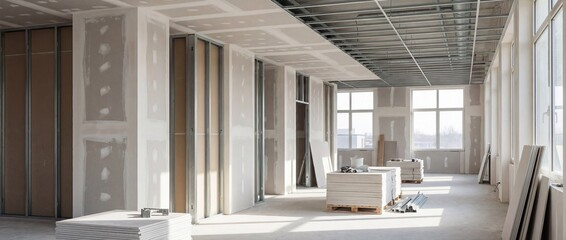
Commercial Construction

Commercial construction refers to the planning, construction, renovation, or expansion of buildings intended for business, institutional, or public use rather than private residential living. These projects include office buildings, restaurants, retail stores, hotels, manufacturing facilities, warehouses, medical buildings, educational facilities, and many other types of commercial properties. Unlike residential construction, commercial projects often involve larger structures, more complex building systems, and stricter regulatory requirements. Every project must balance functionality, durability, safety, and long-term operational efficiency.

Commercial construction typically involves collaboration between architects, engineers, project managers, contractors, subcontractors, suppliers, and property owners. Each professional contributes specialized knowledge throughout different phases of the project. Successful coordination ensures that structural systems, mechanical components, electrical installations, plumbing, and architectural finishes all work together as intended. Because commercial buildings often support daily business operations, careful planning is essential to create spaces that meet both immediate and future needs. Effective teamwork forms the foundation of every successful commercial construction project.

How Does the Commercial Construction Process Work?

Every commercial construction project begins with planning and design. During this stage, the project’s goals, building requirements, budget, timeline, and overall vision are carefully established. Architects and engineers develop plans that address structural performance, functionality, accessibility, and compliance with applicable building requirements. Site evaluations may also be completed to understand existing conditions before construction begins. Thorough planning helps identify potential challenges early while supporting more accurate scheduling and budgeting throughout the project.

Once planning has been completed, construction moves through a carefully organized sequence of activities. Site preparation is followed by foundation work, structural framing, exterior enclosure, mechanical system installation, interior construction, and final finishing. Each stage depends on the successful completion of previous work, making coordination especially important. Careful scheduling allows multiple skilled trades to complete their responsibilities efficiently without interfering with one another. A structured construction sequence helps maintain steady project progress while supporting quality workmanship.

Why Is Project Management Important in Commercial Construction?

Commercial construction projects involve numerous professionals working simultaneously toward a common objective. Architects, structural engineers, electricians, plumbers, mechanical contractors, concrete specialists, steel fabricators, and finish trades must all complete their work according to an organized schedule. Project management provides the coordination needed to keep these activities moving efficiently while reducing unnecessary delays. Careful oversight helps ensure materials arrive when needed, trades have appropriate access to work areas, and construction progresses according to plan. Effective coordination supports both productivity and quality.

Communication is another essential aspect of project management. Construction projects frequently involve design clarifications, scheduling adjustments, material selections, and site conditions that require timely decisions. Maintaining clear communication between all project participants helps minimize misunderstandings while supporting efficient problem solving. Consistent updates also allow property owners and project stakeholders to remain informed throughout construction. Strong communication contributes to smoother project execution from beginning to completion.

What Types of Buildings Are Included in Commercial Construction?

Commercial construction includes a wide variety of building types designed to support different industries and public services. Office buildings provide workspaces for businesses, while retail centers create environments where customers shop and interact with merchants. Restaurants, hotels, entertainment venues, and hospitality facilities require specialized layouts that support customer experience alongside operational efficiency. Manufacturing facilities and warehouses prioritize logistics, equipment access, and storage capacity to support business operations. Each building type presents unique design and construction considerations.

Institutional buildings also represent an important segment of commercial construction. Educational facilities, healthcare buildings, government offices, and community centers serve essential public functions while requiring highly specialized construction solutions. These buildings often incorporate advanced building systems designed to support safety, accessibility, and long-term performance. Although every commercial project differs in purpose, each requires careful planning to ensure the completed structure meets the specific needs of its occupants. Flexibility remains one of the defining characteristics of commercial construction.

What Factors Influence the Success of a Commercial Construction Project?

Successful commercial construction begins with realistic planning and clearly defined project objectives. Establishing expectations regarding building performance, scheduling, budget considerations, and long-term operational goals provides a strong foundation before construction begins. Early planning also allows project teams to evaluate potential site conditions, design requirements, and material selections before work starts. Identifying challenges during the planning stage often prevents more significant issues later in the project. Preparation supports better decision making throughout construction.

Quality workmanship also plays a critical role in project success. Every structural component, mechanical system, electrical installation, and architectural finish contributes to the building’s overall performance. Attention to detail during each phase of construction helps ensure the completed structure functions safely and efficiently for many years. Careful inspections throughout construction allow potential concerns to be identified and addressed promptly. A commitment to quality supports both immediate project success and long-term building performance.

How Does Commercial Construction Support Long-Term Business Growth?

Commercial buildings often represent significant long-term investments for businesses and property owners. A well-designed facility supports daily operations by creating efficient work environments, accommodating future expansion, and improving overall productivity. Thoughtful building layouts help businesses adapt to changing operational needs while maximizing the use of available space. Flexible design contributes to long-term functionality rather than requiring frequent structural modifications. Planning for future growth allows businesses to continue evolving without unnecessary disruption.

Commercial construction also contributes to customer experience and employee satisfaction. Attractive, functional spaces often create more welcoming environments that reflect professionalism and organizational quality. Comfortable workspaces may support employee productivity, while thoughtfully designed customer areas encourage positive interactions. Investing in quality construction benefits both the people who occupy the building and the long-term success of the organization. A well-constructed commercial facility continues providing value long after construction has been completed.

What Should Property Owners Consider Before Starting a Commercial Construction Project?

Property owners should begin by clearly defining the purpose of the building and the long-term goals for the project. Understanding current operational requirements as well as future growth plans helps guide design decisions throughout construction. Budget expectations, scheduling priorities, and desired building features should all be discussed during the earliest planning stages. Careful preparation allows project teams to develop realistic solutions that align with the owner’s objectives. Clear expectations contribute to smoother project execution.

Choosing experienced construction professionals also plays an important role in achieving successful outcomes. Every commercial project benefits from knowledgeable planning, effective communication, organized scheduling, and consistent quality oversight. Property owners should seek professionals capable of managing complex construction activities while maintaining strong collaboration throughout the project. A carefully selected team helps reduce uncertainty while supporting efficient decision making from design through completion. Strong partnerships often become one of the greatest contributors to overall project success.

Final Thoughts

Commercial construction is a highly coordinated process that transforms ideas into functional buildings designed to serve businesses, organizations, and communities. From careful planning and project management to quality craftsmanship and long-term performance, every phase contributes to the success of the finished structure. Whether constructing office buildings, retail spaces, healthcare facilities, educational institutions, or industrial properties, commercial construction requires collaboration, organization, and attention to detail at every stage. By understanding how the process works and planning thoughtfully from the beginning, property owners can create commercial buildings that support operational efficiency, long-term durability, and future growth. A well-executed commercial construction project remains a valuable investment that continues serving its purpose for many years.
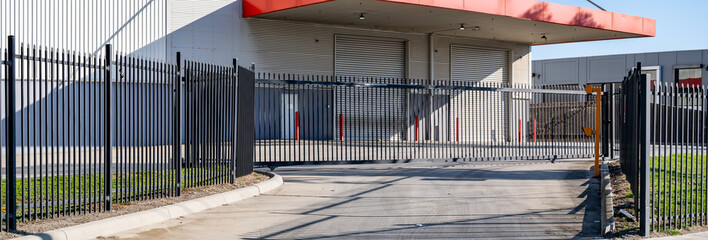
What Are the Benefits of Installing a Metal Gate and Fence?

The entrance to a property says a great deal before anyone steps inside. A well-designed gate and fence create an immediate impression of security, care, and style while defining a home’s boundaries. Many homeowners initially consider fencing simply as a practical necessity, but it quickly becomes clear that the right materials can influence the overall appearance and functionality of the entire property. Among the many options available today, Metal Gate and Fence continue to stand out for their strength, durability, and timeless design. Understanding the benefits of installing a metal gate and fence helps homeowners make a confident investment that enhances both everyday living and the long-term value of their property.

Why Are Metal Gates and Fences So Popular?

metal works

Metal gates and fences have remained popular for decades because they provide an excellent balance between security and visual appeal. Unlike some fencing materials that may deteriorate more quickly when exposed to changing weather conditions, metal is known for its strength and ability to withstand years of regular use. Homeowners appreciate having a fencing solution that not only protects their property but also maintains its attractive appearance over time. Whether the design is simple or highly decorative, metal complements a wide range of architectural styles without appearing outdated. This versatility has helped make metal fencing one of the most widely chosen options for residential properties.

Another reason for the continued popularity of metal fencing is its flexibility in design. Homeowners can choose clean, modern lines that complement contemporary architecture or select ornamental patterns that create a more traditional appearance. Decorative scrollwork, geometric details, and custom fabrication allow each installation to reflect personal style while remaining functional. Since every property has unique requirements, metal offers the adaptability needed to create a customized solution. This combination of durability and design freedom continues to make metal fencing an attractive investment.

How Does a Metal Gate and Fence Improve Security?

One of the primary reasons homeowners install a metal gate and fence is to create a stronger sense of security around the property. Clearly defined boundaries help discourage unauthorized access while providing greater control over entry points. A sturdy metal gate creates a visible barrier that naturally encourages visitors to enter through designated access areas. Even before additional security measures are considered, the physical presence of a well-built fence contributes to a greater feeling of protection. This added layer of security provides valuable peace of mind for many households.

Metal fencing also offers exceptional structural strength compared with many alternative materials. Properly installed metal panels and gates resist bending, warping, and other forms of physical wear that can weaken less durable fencing over time. Secure gates with dependable locking mechanisms further strengthen the property’s overall protection. Homeowners often appreciate knowing that their fencing system continues performing reliably through years of daily use. Strong construction supports both safety and long-term confidence in the investment.

Can a Metal Gate and Fence Increase Curb Appeal?

A metal gate and fence do much more than establish property boundaries because they also contribute significantly to curb appeal. Since fencing is one of the first exterior features visitors notice, its appearance influences the overall impression of the home. A thoughtfully designed metal fence creates clean architectural lines that complement landscaping, walkways, and the home’s exterior finishes. Whether the design emphasizes elegance, simplicity, or decorative craftsmanship, the fence becomes an important part of the property’s visual identity. Attractive fencing often enhances the entire streetscape.

Custom metal designs allow homeowners to create a distinctive appearance that reflects the character of the home. Decorative accents, artistic patterns, and carefully selected finishes transform the fence from a functional structure into an architectural feature. Even minimalist designs create a polished and refined appearance when integrated thoughtfully with the surrounding landscape. Because metal fencing complements a wide variety of exterior materials, it works well alongside brick, stone, wood, concrete, and modern siding. A cohesive exterior design contributes to a more welcoming and visually balanced property.

How Durable Are Metal Gates and Fences?

Durability remains one of the greatest advantages of choosing metal fencing. Outdoor structures are exposed continuously to sunlight, rain, temperature changes, and everyday use, making material selection especially important. High-quality metal fencing is designed to withstand these conditions while maintaining its structural integrity for many years. Unlike materials that may crack, split, or warp with age, properly finished metal retains its strength through changing seasons. This dependable performance makes it a practical long-term investment.

Protective finishes also contribute significantly to the longevity of metal gates and fences. Modern coatings help reduce the effects of corrosion, moisture exposure, and surface wear while preserving the fence’s appearance. Routine inspections and basic maintenance allow homeowners to address small concerns before they become larger issues. With proper care, metal fencing often continues serving its purpose for decades. Its ability to combine long-lasting performance with attractive design contributes to its enduring popularity.

What Design Options Are Available for Metal Gates and Fences?

One of the most appealing aspects of metal fencing is the wide variety of available design options. Homeowners seeking a modern appearance often choose simple vertical pickets, horizontal lines, or geometric layouts that emphasize clean architectural styling. These designs create an open appearance while maintaining security and visual definition around the property. Minimalist metal fencing works especially well with contemporary homes because it complements rather than competes with surrounding architectural features. Simplicity often creates timeless elegance.

Decorative styles offer an entirely different design experience. Ornamental scrollwork, curved elements, custom patterns, and handcrafted details allow homeowners to create a more traditional or artistic appearance. These decorative features often become focal points that distinguish the property while enhancing its character. Finishes such as matte black, bronze, textured coatings, or other custom colors further personalize the final appearance. The ability to tailor every aspect of the design allows homeowners to achieve a fencing system that reflects both personal taste and architectural style.

How Easy Is It to Maintain a Metal Gate and Fence?

Many homeowners choose metal fencing because it requires relatively little ongoing maintenance compared with some alternative materials. Routine cleaning removes dirt, dust, and environmental buildup before it affects the appearance of the surface. Gentle washing with appropriate cleaning products is often sufficient to keep the fence looking attractive throughout the year. Unlike wood fencing, metal generally does not require frequent staining or sealing to maintain its basic structural performance. This reduced maintenance requirement makes it especially appealing for busy homeowners.

Regular inspections also help preserve the condition of the fence over time. Checking hinges, gate hardware, fasteners, and protective finishes allows homeowners to identify minor issues before they develop into larger repairs. Prompt attention to small scratches or damaged coatings helps maintain long-term protection against weather exposure. These simple maintenance practices support both appearance and functionality without requiring extensive effort. Consistent care helps maximize the lifespan of the fencing system.

Does Installing a Metal Gate and Fence Add Property Value?

Exterior improvements often contribute positively to the overall perception of a home, and a well-designed metal gate and fence are no exception. Attractive fencing creates a polished appearance that enhances curb appeal while demonstrating thoughtful property maintenance. Prospective buyers frequently appreciate visible improvements that combine beauty with practical functionality. A secure and visually appealing fence may strengthen the overall impression of the property before visitors even enter the home. First impressions often play an important role in how buyers evaluate a residence.

Metal fencing also represents a long-term investment because of its durability and relatively low maintenance requirements. Homeowners benefit from a feature that continues performing reliably while maintaining its appearance over many years. Since quality fencing improves both privacy and security, it adds practical value alongside aesthetic appeal. Combined with attractive landscaping and a well-maintained exterior, a metal gate and fence contribute to a property that feels complete, cared for, and inviting. This balance of function and beauty supports long-term homeowner satisfaction.

Final Thoughts

Installing a metal gate and fence offers homeowners far more than a simple property boundary. It combines security, durability, curb appeal, and architectural style into one long-lasting exterior improvement. From protecting the property and defining outdoor spaces to enhancing visual appeal and supporting long-term value, metal fencing continues to be one of the most practical and attractive choices available. With a wide variety of design options, durable materials, and relatively simple maintenance requirements, homeowners can create a customized solution that reflects their personal style while providing dependable performance for years to come. A thoughtfully designed metal gate and fence is not only a functional investment but also an enduring enhancement that strengthens both the beauty and usability of the entire property.

How Often Should You Pump Your Septic Tank? A Complete Homeowner’s Guide

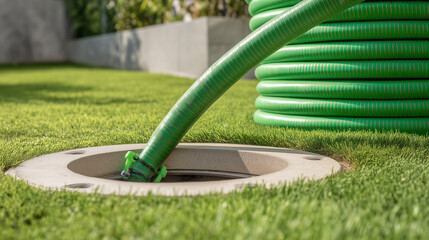
Septic Tank

Most homeowners rarely think about their septic tank until something goes wrong. Everything seems to work perfectly for years, and then one day the drains begin slowing down, unpleasant odors appear, or wastewater starts backing up into the home. By the time these warning signs become obvious, the septic system may already be under significant stress.

The truth is that septic tanks require routine pumping long before visible problems develop. Understanding how often you should pump your septic tank is one of the most important steps toward protecting your home, avoiding expensive repairs, and keeping your wastewater system operating efficiently for many years. Check out this website at https://septic-guys.com/ for more details.

Why Does a Septic Tank Need to Be Pumped?

A septic tank works by separating wastewater into different layers. Heavy solids settle at the bottom to form sludge, while lighter materials such as grease and oils rise to the top and create a layer of scum. Between these two layers is relatively clear liquid that flows into the drain field for further treatment. Although this process happens automatically every day, the solid waste remains inside the tank and gradually accumulates over time. Without regular pumping, the tank eventually reaches a point where there is not enough space for proper wastewater separation.

As sludge continues building up, the septic system becomes less efficient. Excess solids may begin flowing into the drain field, where they can clog underground pipes and reduce the soil’s ability to filter wastewater properly. Once the drain field becomes damaged, repairs are often much more complicated and expensive than routine pumping. Regular septic pumping removes accumulated waste before it causes these problems, helping the entire system continue operating as designed. Preventive maintenance protects both the tank and the drain field while extending the life of the septic system.

How Often Should You Pump Your Septic Tank?

There is no single schedule that applies to every home because septic pumping frequency depends on several different factors. Many residential septic systems benefit from pumping every three to five years, but some households may require service more frequently depending on usage. Larger families naturally generate more wastewater and solid waste, causing the tank to fill more quickly. Smaller households with lower water usage may be able to wait longer between pumping appointments. Understanding your household’s specific needs provides a more accurate maintenance schedule than relying on a fixed timeline alone.

The size of the septic tank also influences pumping frequency. Larger tanks can hold more wastewater and solids before reaching capacity, while smaller tanks fill more rapidly under similar household conditions. Daily habits such as frequent laundry, long showers, and heavy water consumption also increase the amount of wastewater entering the system. Homes that regularly use garbage disposals may accumulate solids faster because additional food waste enters the septic tank. Evaluating these factors together helps determine the most appropriate pumping interval for each property.

What Factors Affect Septic Pumping Frequency?

Household occupancy is one of the most significant factors influencing how often septic pumping is needed. A home occupied by one or two people generally places less demand on the septic system than a larger household with several family members. Every toilet flush, shower, dishwasher cycle, and load of laundry contributes additional wastewater to the tank. As occupancy increases, sludge and scum accumulate more quickly, requiring more frequent maintenance. Matching pumping schedules to actual household usage helps maintain proper system performance.

Water conservation habits also affect how efficiently the septic system operates. Repairing leaking faucets and toilets prevents unnecessary water from entering the tank throughout the day. Spreading laundry loads across the week instead of completing multiple loads in one day reduces sudden surges of wastewater entering the system. Homeowners who practice responsible water usage often place less stress on both the septic tank and the drain field. Good daily habits support longer intervals between pumping while helping the system function more efficiently.

What Are the Signs That Your Septic Tank Needs Pumping?

Although routine maintenance is always preferable, septic systems often provide warning signs when pumping becomes overdue. One of the earliest indicators is slow drainage throughout the home. If sinks, bathtubs, showers, and toilets all begin draining more slowly than normal, the septic tank may be approaching capacity. Gurgling sounds coming from plumbing fixtures can also suggest that wastewater is not flowing through the system as efficiently as it should. These symptoms often appear gradually before more serious problems develop.

Outdoor warning signs should also be taken seriously. Persistent sewage odors near the septic tank or drain field frequently indicate that wastewater is no longer being processed properly. Areas of unusually green grass, standing water, or consistently damp soil above the drain field may signal that wastewater is surfacing instead of filtering underground. Sewage backups inside the home represent one of the most serious warning signs and require immediate attention. Responding promptly when these symptoms appear can help prevent additional damage to the septic system.

Why Is Routine Pumping Better Than Waiting for Problems?

Some homeowners delay septic pumping because everything appears to be functioning normally. Unfortunately, septic systems often continue operating even while sludge levels are becoming excessive. By the time obvious warning signs appear, solids may already have entered the drain field or caused significant stress on other system components. Waiting until problems develop increases the likelihood of expensive repairs that could have been prevented through regular maintenance. Routine pumping removes accumulated waste before it reaches this critical point.

Preventive maintenance also provides opportunities for professional inspections during each service visit. While pumping the tank, technicians can observe the condition of visible components and identify developing concerns before they become emergencies. Small issues such as deteriorating baffles, damaged lids, or early signs of wear are often easier to correct when discovered early. Regular pumping therefore supports both waste removal and ongoing system evaluation. This proactive approach helps homeowners avoid unexpected failures while maintaining reliable wastewater treatment.

How Can Homeowners Extend the Time Between Pumping Appointments?

Although septic pumping remains essential, homeowners can adopt habits that reduce unnecessary stress on the system. Conserving water throughout the home helps prevent excessive wastewater from entering the tank. Fixing plumbing leaks promptly, installing efficient plumbing fixtures, and avoiding unnecessary water use all contribute to healthier septic system operation. Even small reductions in daily water usage accumulate over time and reduce the workload placed on the tank and drain field.

Proper waste disposal habits are equally important. Items such as paper towels, wipes, grease, cooking oils, feminine hygiene products, and other non biodegradable materials should never be flushed or washed into the septic system. These materials do not break down efficiently and contribute to faster sludge accumulation or potential blockages. Homeowners should also limit the amount of food waste entering the system by using garbage disposals responsibly. Following these simple practices helps maximize septic system performance between scheduled pumping appointments.

Why Are Professional Septic Inspections Important?

Routine inspections complement regular pumping by providing valuable information about the condition of the septic system. Many important components remain underground and cannot be evaluated through casual observation alone. During an inspection, professionals assess the tank, visible piping, inlet and outlet components, and surrounding conditions to ensure everything is functioning properly. They also evaluate sludge levels and determine whether pumping is needed sooner than expected based on actual system conditions. These evaluations help homeowners develop maintenance schedules that match their property’s specific needs.

Professional inspections also identify small concerns before they develop into expensive repairs. Cracks, leaks, drainage problems, or damaged components often produce subtle warning signs that trained professionals recognize quickly. Early detection allows homeowners to correct issues before they affect the drain field or surrounding property. Instead of relying solely on time-based pumping schedules, inspections provide a more complete understanding of overall septic system health. Combining regular inspections with routine pumping offers the best long-term protection for the entire wastewater system.

Final Thoughts

Knowing how often to pump your septic tank is one of the most important aspects of responsible septic system ownership. While many households benefit from pumping every three to five years, the ideal schedule depends on factors such as household size, water usage, septic tank capacity, and daily habits. Regular pumping prevents excessive sludge buildup, protects the drain field, reduces the likelihood of backups, and extends the overall lifespan of the septic system. Combined with routine inspections and responsible household practices, preventive maintenance helps homeowners avoid costly repairs while keeping their wastewater system operating efficiently. Investing in regular septic pumping today provides long-term peace of mind and reliable performance for years to come.

Navigation