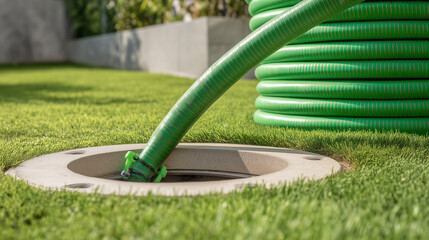
Most homeowners rarely think about their septic tank until something goes wrong. Everything seems to work perfectly for years, and then one day the drains begin slowing down, unpleasant odors appear, or wastewater starts backing up into the home. By the time these warning signs become obvious, the septic system may already be under significant stress.
The truth is that septic tanks require routine pumping long before visible problems develop. Understanding how often you should pump your septic tank is one of the most important steps toward protecting your home, avoiding expensive repairs, and keeping your wastewater system operating efficiently for many years. Check out this website at https://septic-guys.com/ for more details.
Why Does a Septic Tank Need to Be Pumped?
A septic tank works by separating wastewater into different layers. Heavy solids settle at the bottom to form sludge, while lighter materials such as grease and oils rise to the top and create a layer of scum. Between these two layers is relatively clear liquid that flows into the drain field for further treatment. Although this process happens automatically every day, the solid waste remains inside the tank and gradually accumulates over time. Without regular pumping, the tank eventually reaches a point where there is not enough space for proper wastewater separation.
As sludge continues building up, the septic system becomes less efficient. Excess solids may begin flowing into the drain field, where they can clog underground pipes and reduce the soil’s ability to filter wastewater properly. Once the drain field becomes damaged, repairs are often much more complicated and expensive than routine pumping. Regular septic pumping removes accumulated waste before it causes these problems, helping the entire system continue operating as designed. Preventive maintenance protects both the tank and the drain field while extending the life of the septic system.
How Often Should You Pump Your Septic Tank?
There is no single schedule that applies to every home because septic pumping frequency depends on several different factors. Many residential septic systems benefit from pumping every three to five years, but some households may require service more frequently depending on usage. Larger families naturally generate more wastewater and solid waste, causing the tank to fill more quickly. Smaller households with lower water usage may be able to wait longer between pumping appointments. Understanding your household’s specific needs provides a more accurate maintenance schedule than relying on a fixed timeline alone.
The size of the septic tank also influences pumping frequency. Larger tanks can hold more wastewater and solids before reaching capacity, while smaller tanks fill more rapidly under similar household conditions. Daily habits such as frequent laundry, long showers, and heavy water consumption also increase the amount of wastewater entering the system. Homes that regularly use garbage disposals may accumulate solids faster because additional food waste enters the septic tank. Evaluating these factors together helps determine the most appropriate pumping interval for each property.
What Factors Affect Septic Pumping Frequency?
Household occupancy is one of the most significant factors influencing how often septic pumping is needed. A home occupied by one or two people generally places less demand on the septic system than a larger household with several family members. Every toilet flush, shower, dishwasher cycle, and load of laundry contributes additional wastewater to the tank. As occupancy increases, sludge and scum accumulate more quickly, requiring more frequent maintenance. Matching pumping schedules to actual household usage helps maintain proper system performance.
Water conservation habits also affect how efficiently the septic system operates. Repairing leaking faucets and toilets prevents unnecessary water from entering the tank throughout the day. Spreading laundry loads across the week instead of completing multiple loads in one day reduces sudden surges of wastewater entering the system. Homeowners who practice responsible water usage often place less stress on both the septic tank and the drain field. Good daily habits support longer intervals between pumping while helping the system function more efficiently.
What Are the Signs That Your Septic Tank Needs Pumping?
Although routine maintenance is always preferable, septic systems often provide warning signs when pumping becomes overdue. One of the earliest indicators is slow drainage throughout the home. If sinks, bathtubs, showers, and toilets all begin draining more slowly than normal, the septic tank may be approaching capacity. Gurgling sounds coming from plumbing fixtures can also suggest that wastewater is not flowing through the system as efficiently as it should. These symptoms often appear gradually before more serious problems develop.
Outdoor warning signs should also be taken seriously. Persistent sewage odors near the septic tank or drain field frequently indicate that wastewater is no longer being processed properly. Areas of unusually green grass, standing water, or consistently damp soil above the drain field may signal that wastewater is surfacing instead of filtering underground. Sewage backups inside the home represent one of the most serious warning signs and require immediate attention. Responding promptly when these symptoms appear can help prevent additional damage to the septic system.
Why Is Routine Pumping Better Than Waiting for Problems?
Some homeowners delay septic pumping because everything appears to be functioning normally. Unfortunately, septic systems often continue operating even while sludge levels are becoming excessive. By the time obvious warning signs appear, solids may already have entered the drain field or caused significant stress on other system components. Waiting until problems develop increases the likelihood of expensive repairs that could have been prevented through regular maintenance. Routine pumping removes accumulated waste before it reaches this critical point.
Preventive maintenance also provides opportunities for professional inspections during each service visit. While pumping the tank, technicians can observe the condition of visible components and identify developing concerns before they become emergencies. Small issues such as deteriorating baffles, damaged lids, or early signs of wear are often easier to correct when discovered early. Regular pumping therefore supports both waste removal and ongoing system evaluation. This proactive approach helps homeowners avoid unexpected failures while maintaining reliable wastewater treatment.
How Can Homeowners Extend the Time Between Pumping Appointments?
Although septic pumping remains essential, homeowners can adopt habits that reduce unnecessary stress on the system. Conserving water throughout the home helps prevent excessive wastewater from entering the tank. Fixing plumbing leaks promptly, installing efficient plumbing fixtures, and avoiding unnecessary water use all contribute to healthier septic system operation. Even small reductions in daily water usage accumulate over time and reduce the workload placed on the tank and drain field.
Proper waste disposal habits are equally important. Items such as paper towels, wipes, grease, cooking oils, feminine hygiene products, and other non biodegradable materials should never be flushed or washed into the septic system. These materials do not break down efficiently and contribute to faster sludge accumulation or potential blockages. Homeowners should also limit the amount of food waste entering the system by using garbage disposals responsibly. Following these simple practices helps maximize septic system performance between scheduled pumping appointments.
Why Are Professional Septic Inspections Important?
Routine inspections complement regular pumping by providing valuable information about the condition of the septic system. Many important components remain underground and cannot be evaluated through casual observation alone. During an inspection, professionals assess the tank, visible piping, inlet and outlet components, and surrounding conditions to ensure everything is functioning properly. They also evaluate sludge levels and determine whether pumping is needed sooner than expected based on actual system conditions. These evaluations help homeowners develop maintenance schedules that match their property’s specific needs.
Professional inspections also identify small concerns before they develop into expensive repairs. Cracks, leaks, drainage problems, or damaged components often produce subtle warning signs that trained professionals recognize quickly. Early detection allows homeowners to correct issues before they affect the drain field or surrounding property. Instead of relying solely on time-based pumping schedules, inspections provide a more complete understanding of overall septic system health. Combining regular inspections with routine pumping offers the best long-term protection for the entire wastewater system.
Final Thoughts
Knowing how often to pump your septic tank is one of the most important aspects of responsible septic system ownership. While many households benefit from pumping every three to five years, the ideal schedule depends on factors such as household size, water usage, septic tank capacity, and daily habits. Regular pumping prevents excessive sludge buildup, protects the drain field, reduces the likelihood of backups, and extends the overall lifespan of the septic system. Combined with routine inspections and responsible household practices, preventive maintenance helps homeowners avoid costly repairs while keeping their wastewater system operating efficiently. Investing in regular septic pumping today provides long-term peace of mind and reliable performance for years to come.